1. Product Architecture and Design Philosophy#
Many AI workloads require massive bandwidth. Traditional object storage workflows often follow a data lake to scratch filesystem to GPU pattern, which introduces latency and redundancy. cuObject flattens this topology by facilitating direct access between GPUs and object storage.
1.1. Key Architectural Components#
The solution is delivered as two distinct libraries.
- cuObject client library
Integrated into the GPU application or middleware. It intercepts S3 requests and manages the RDMA data sink or source.
The cuObject client library is available in CUDA Toolkit 13.1.1 and later and is governed by the CUDA Toolkit End User License Agreement.
- cuObject server library
Integrated into the storage partner object server. It manages the RDMA data source or sink and handles buffer registration.
The cuObject server library is available in a separately downloadable package and is also governed by the CUDA Toolkit End User License Agreement.
1.2. The Control vs. Data Plane Split#
A defining feature of cuObject is the separation of control and data paths.
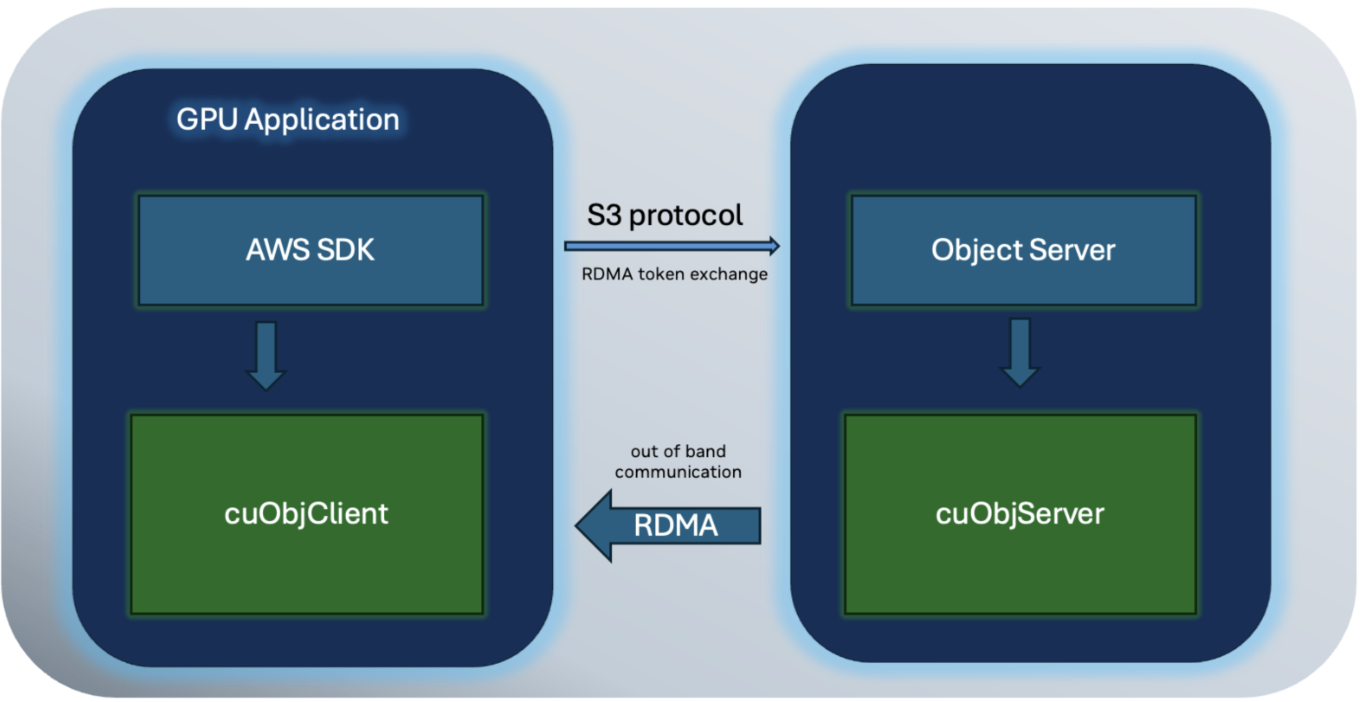
Figure 1.1 Control vs. data plane split in cuObject#
- Control plane (REST APIs)
Standard S3 GET and PUT requests are sent via the storage partner S3 SDK. These requests are modified to include specific metadata tags (for example,
x-amz-rdma-token).- Data plane (RDMA)
Actual data payloads are transferred directly between the storage node and GPU memory or system memory using RDMA operations, bypassing the host CPU.