

Attestation and Key-Release Flow#
Attestation is the point where the business agreement becomes enforceable. The model provider doesn’t release the key because a VM asked for it; the key is released because the workload proved it’s the approved image, on approved hardware, with approved policy state.
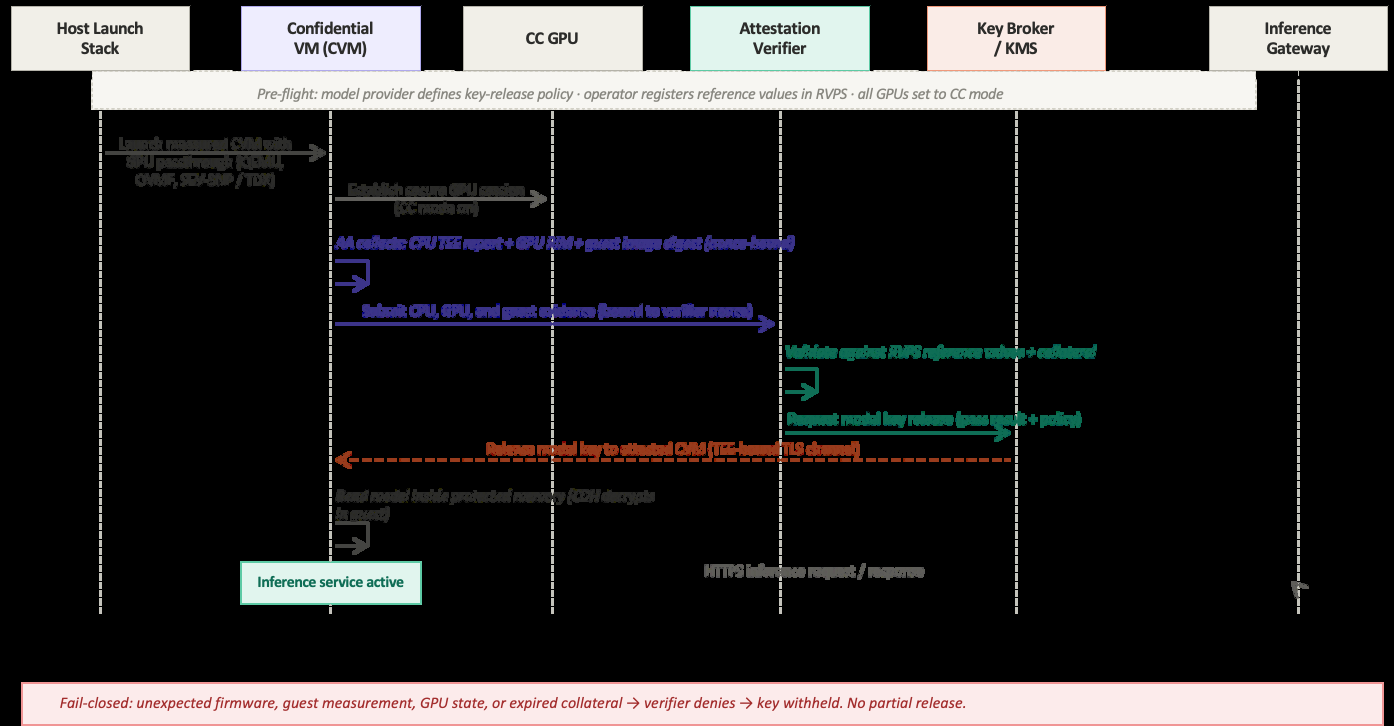
Figure 5 Attestation and Key Release Workflow#
The end-to-end flow:
The model provider builds (and signs) the guest image, encrypts model artifacts and defines key-release policy. They update the keys to an on-prem KMS along with the key-release policy.
The platform operator configures firmware, host OS, CVM launch stack, device assignment, and GPU CC mode.
The platform operator launches the CVM using the CVM image provided by the model provider with the approved image and devices.
The verifier issues a fresh nonce; the guest attestation client collects CPU TEE evidence, GPU evidence, and guest measurements bound to that nonce.
The attestation verifier checks that evidence against reference values and policy.
The Key Broker Service (KBS) part of the KMS confirms the requester’s identity and the verifier’s outcome.
The model key is released into the CVM over a secure channel.
The workload reads model artifacts inside protected memory.
The inference service starts accepting approved HTTPS traffic.
The verifier rejects stale evidence, unexpected firmware, unexpected guest measurements, disabled security features, revoked collateral, or unapproved GPU state. The verifier-provided nonce is part of the evidence check, so a captured response can’t be replayed.