

dApp Framework#
dApps are real-time, 3rd party applications that can analyze L1/L2 data from the RAN and use it to control RAN functionality. ACAR captures data using Data Lake and implements a dApp Framework through which dApps can register/deregister themselves, subscribe to and access Data Lake data, and send commands to control ACAR behavior (see Figure 1). dApps communicate with the dApp Framework using a pre-standard version of the E3 interface and E3 Application Protocol (E3AP).
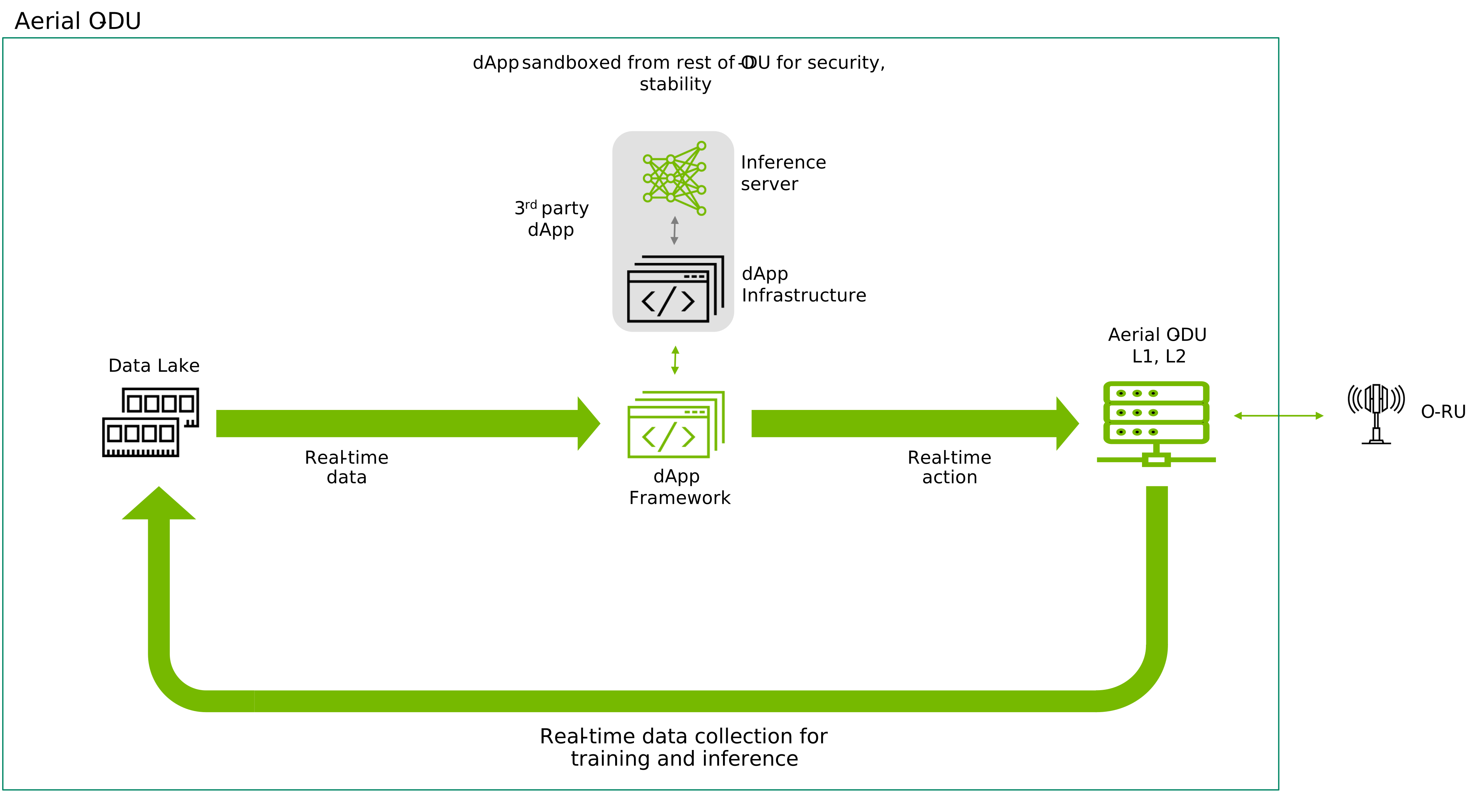
Figure 1: dApp: High level operation#
dApps run on the O-DU and extend its functionality. On GPUs that support MIG (Multi-Instance GPU), dApps and ACAR run in different MIG instances, providing process and memory isolation while maintaining low latency data exchange via CPU shared memory. Running on the same GPU-based HW as ACAR enables dApps to run low latency AI/ML inference to analyze data from Data Lake and to determine actions to be sent to control the RAN.
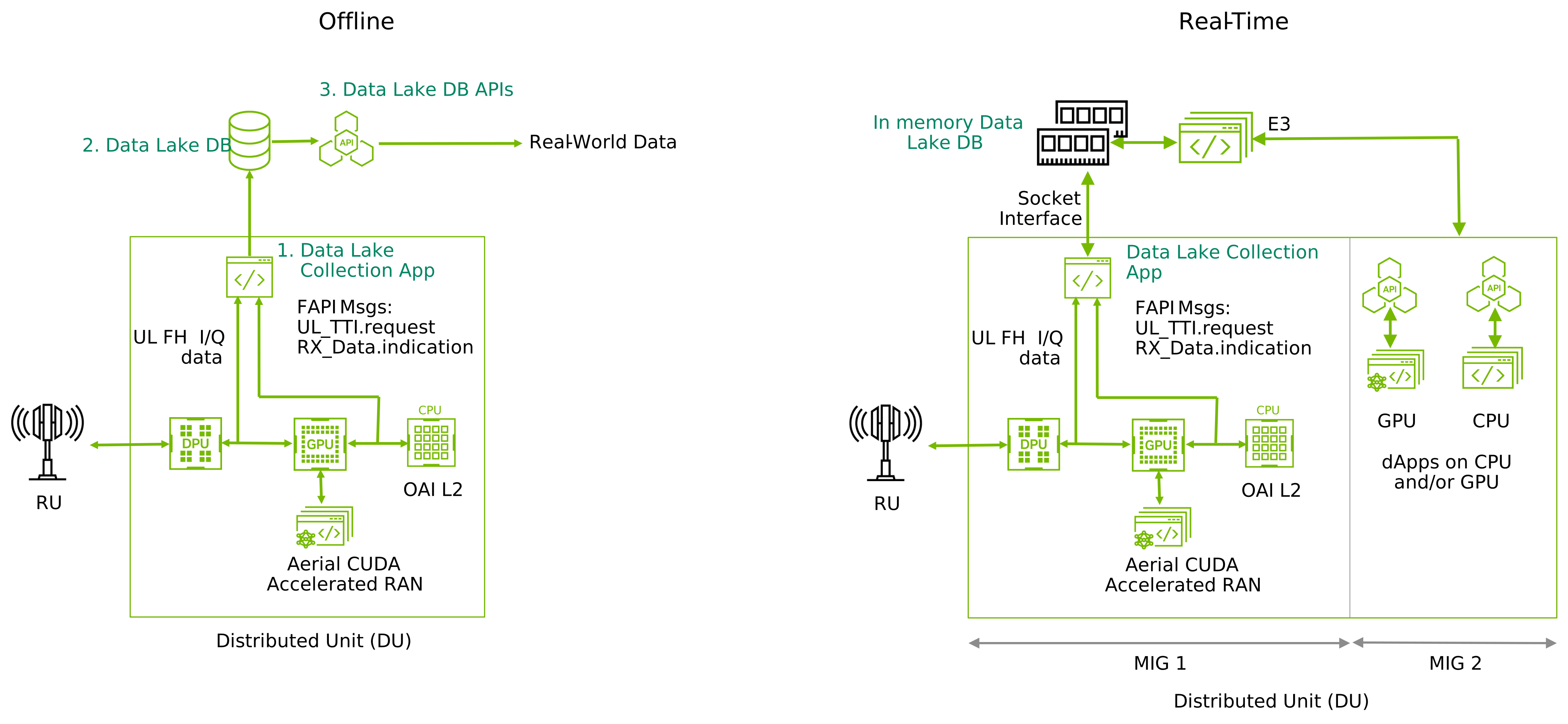
Figure 2: dApp hardware and software architecture#
Software Components#
dApp functionality is split among 4 main components in the O-DU, as shown in Figure 3.
DU-Low, which runs L1 pipelines, Data Lake and an E3 Agent
DU-High, which runs L2 and higher layer components. OpenAirInterface is used as an example L2+ stack
CPU Shared Memory (CPU SHM)
One or more co-located dApps
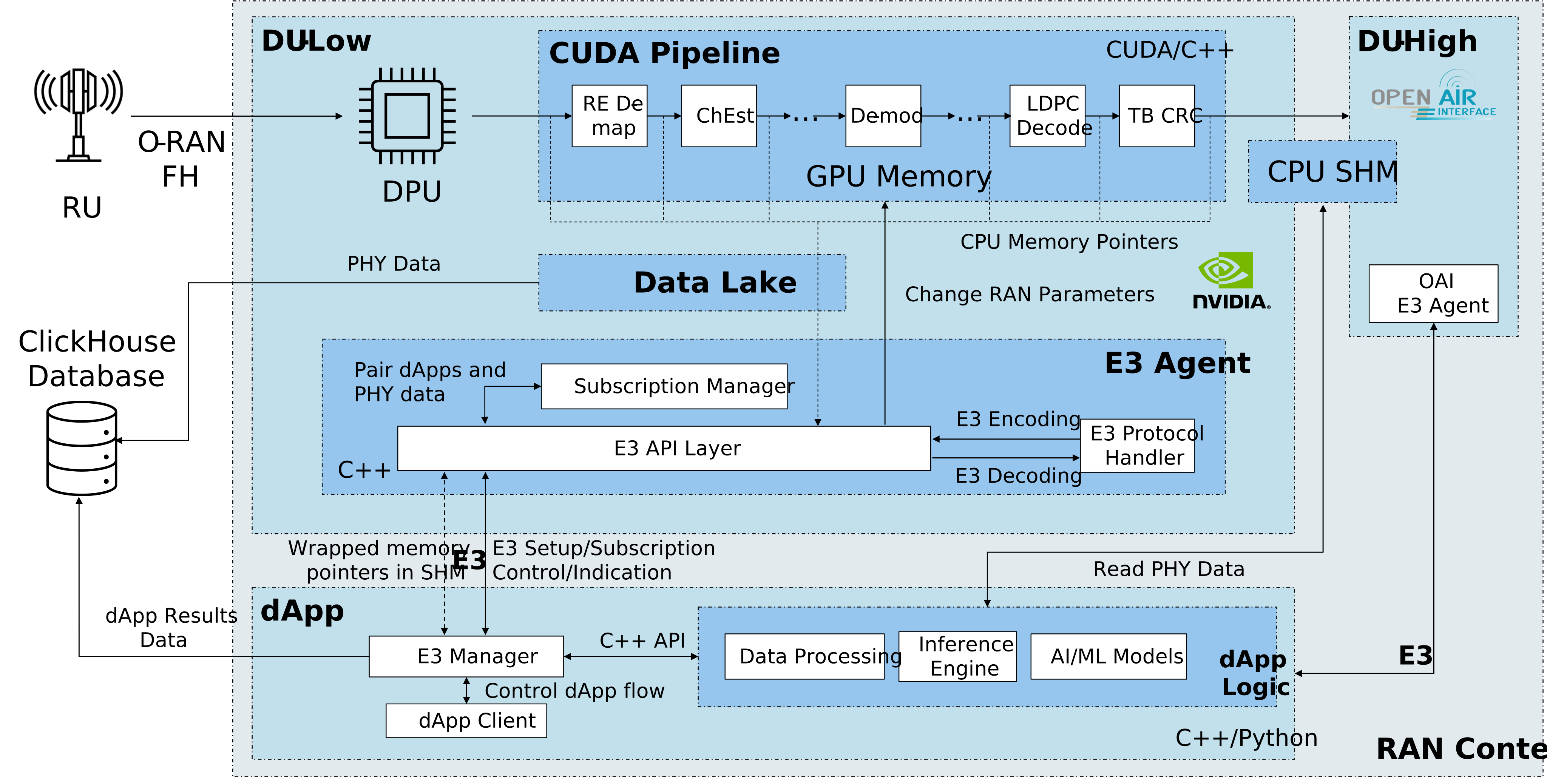
Figure 3: dApp components#
DU-Low#
DU-Low functionality is provided by ACAR. Figure 3 shows 3 main components:
CUDA Pipeline: The figure shows a single PUSCH L1 pipeline for simplicity, which receives FH (Fronthaul) data from an RU and processes it into CRC-checked data blocks.
Data Lake: Captures FH I/Q samples and other L1/L2 data from intermediate processing blocks and metadata. The data is captured in real time to memory. Data writes alternate between 2 buffers (ping and pong). When one buffer is full, writes begin to the other buffer and data from the full buffer is read out to a ClickHouse database configured in RAM tables or in SSD storage.
E3 Agent: Interfaces ACAR functionality with one or more dApps. It runs alongside the real-time data path in DU-Low, receives notifications when new uplink data is available, and exposes that data to subscribed dApps through the E3 interface. For small data items, it can send values directly in E3 indication messages; for larger data objects such as I/Q samples or channel estimates, it sends metadata and shared-memory references so the dApp can read the data efficiently. It also handles E3AP procedures such as setup, subscription, indication, and control, enabling dApps to discover data, receive real-time updates, and optionally send control commands back to the RAN.
DU-High#
DU-High can interact with dApps through the E3 interface for data consumption and control actions similar to how they interact with DU-Low as long as it supports E3.
dApp Sub-Components#
A dApp itself consists of 3 main sub-components (Figure 4):
E3 Manager: The core engine that handles E3AP protocol, multi-agent communication, shared memory, and application dispatch.
dApp Client: An external control interface for managing the dApp lifecycle: listing agents, subscribing to telemetry, unsubscribing, and querying status.
dApp Logic: The application-specific processing logic (e.g., PRB power calculation) including inference engine. Each app has its own config, Dockerfile, models, and build system. Different inference engines are supported, such as Triton Inference Server, Python and TensorRT, and multiple models can be used, hosted in a model repository.
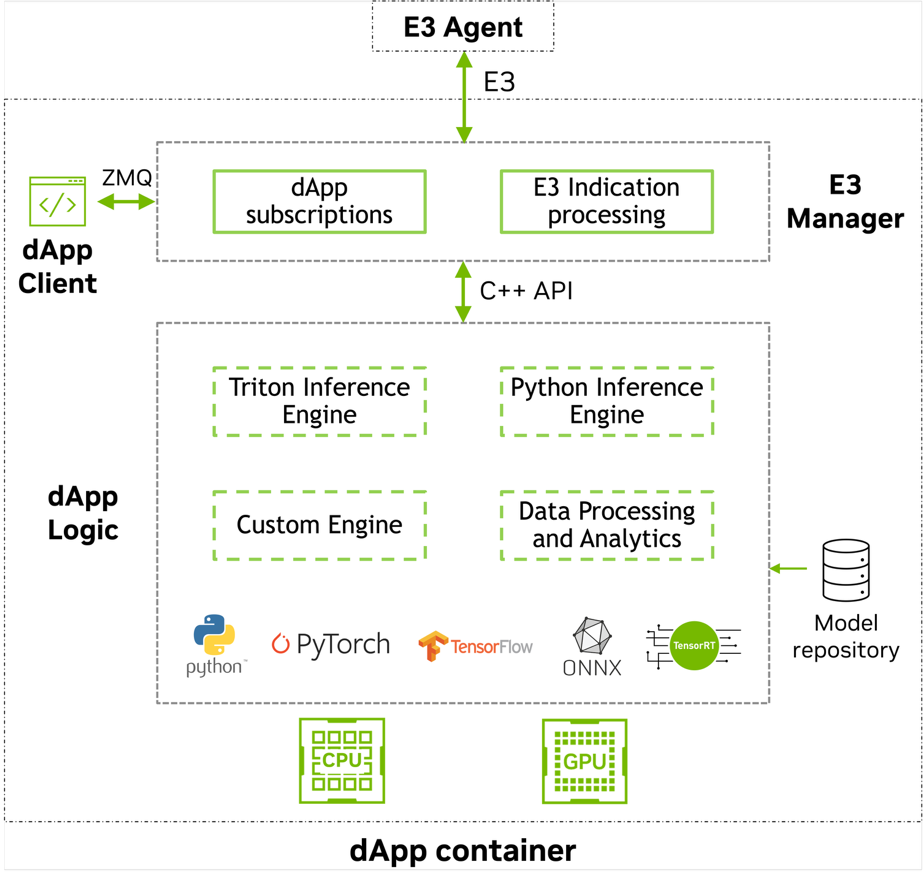
Figure 4: dApp reference implementation#
E3 Agent-Manager Relationships#
Figure 5 shows how multiple Agents can connect to multiple Managers.
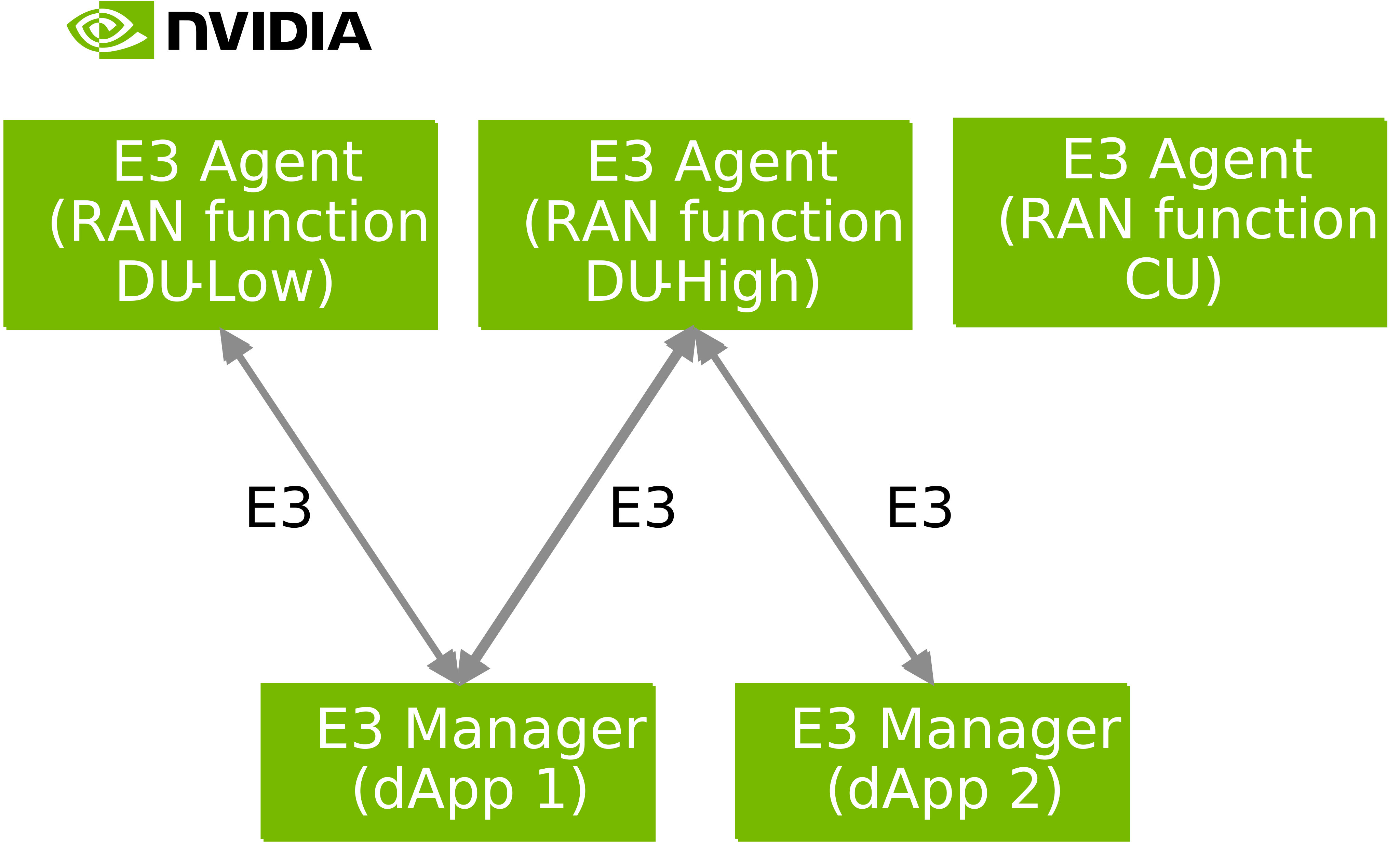
Figure 5: Multiple Agent-Manager connections#
It shows how a single E3 Agent can connect to multiple dApps (i.e., E3 Managers), each of which may subscribe to different data from the Agent and control different aspects of its behavior, likely based on different dApp logic.
Similarly, a single dApp (i.e., E3 Manager) may connect to different E3 Agents, accessing different data and controlling different behaviors, potentially based on different dApp logic.
Available Data Streams#
The E3 Agent exposes the following uplink data streams through the NVIDIA KPM Service Model. dApps can subscribe to any combination of these to receive real-time RAN data for inference, analytics, or custom processing.
Indications are delivered on two independent paths, one per PUSCH slot and one per SRS slot, and each carries data for every UE scheduled in that slot.
Category |
Data |
Description |
|---|---|---|
IQ & channel |
Fronthaul I/Q, DMRS estimates, PUSCH data |
Raw uplink I/Q, PUSCH DMRS channel estimates, decoded PUSCH bytes (shared memory) |
SRS |
SRS I/Q, SRS estimates, SNR, ToA, SRS config |
Raw SRS I/Q and channel estimates (shared memory), wideband and per-RB SNR, time of arrival, SRS resource configuration |
Frame info |
SFN, Slot, Timestamps |
System Frame Number, slot index, agent-side and TAI-aligned nanosecond timestamps |
Cell & antenna |
Cell ID, RX antennas, BS antennas |
Physical cell ID, PUSCH and SRS antenna counts |
Channel quality |
RSRP, RSSI, CQI, SINR, MCS index, QAM order |
PHY-layer measurements and modulation parameters, per UE |
PUSCH decoding |
TB CRC fail, CB errors, CB count, TB size, HARQ process, RV index |
Transport and code block error indicators, transport block sizing, HARQ state |
Resource allocation |
RB start, RB size, Symbols, Subcarriers, MIMO layers |
Frequency and time resource assignment |
Timing & frequency |
Timing advance, CFO |
Per-UE timing advance estimate and carrier frequency offset in Hz |
This list reflects the currently supported telemetry streams. Additional data streams and service models may be added in future releases. See the Application Development Guide for the full per-field telemetry ID table and shared memory layout details. Future releases of E3 Agents may also expose other Service Models with different RAN Function IDs, providing additional telemetry IDs and/or control IDs.
References#
NVIDIA Sample Apps repository: sample dApps showing how to build, install, configure, test and run low-latency, inference-capable dApps that collect and consume data in real time from ACAR. GitHub repo
NVIDIA dApp Framework: D. Villa, M. Belgiovine, N. Hedberg, M. Polese, C. Dick, and T. Melodia, “Programmable and GPU-Accelerated Edge Inference for Real-Time ISAC on NVIDIA Aerial Testbed,” arXiv:2512.06493 [cs.NI], 2026. arXiv PDF
dApps Concept: S. D’Oro, M. Polese, L. Bonati, H. Cheng, and T. Melodia, “dApps: Distributed Applications for Real-time Inference and Control in O-RAN,” IEEE Communications Magazine, 2022. arXiv PDF
O-RAN nGRG First Research Report: Northeastern University, NVIDIA, Mavenir, MITRE, and Qualcomm, “dApps for Real-Time RAN Control: Use Cases and Requirements,” O-RAN next Generation Research Group (nGRG), Research Report, Oct 2024, report ID: RR-2024-10. Report PDF
O-RAN nGRG Second Research Report: Northeastern University, NVIDIA, and Mavenir, “dApps Architecture and Interfaces,” O-RAN next Generation Research Group (nGRG), Research Report, 2025, report ID: RR-2025-05, v2.0. Report PDF
E3 Interface: A. Lacava, L. Bonati, N. Mohamadi, R. Gangula, F. Kaltenberger, P. Johari, S. D’Oro, F. Cuomo, M. Polese, and T. Melodia, “dApps: Enabling Real-Time AI-Based Open RAN Control,” Computer Networks, vol. 269, pp. 111342, 2025. ScienceDirect